In this podcast, David Riedman, Captain of the Montgomery County MD Fire and Rescue Service (cohort 1401/1402), speaks about how the critical infrastructure club in the United States needs to be a little more exclusive. Born in the wake of post-9/11 frenzy, the DHS critical infrastructure protection program was designed to protect facilities “considered so vital to the United States that their incapacitation or destruction would have a debilitating effect on security, national economic security, national public health or safety, or any combination thereof.” Based on a meta-analysis of government policies, the current critical infrastructure protection efforts may be misdirected even though it is the cornerstone mission of the department to prevent terrorism and enhance security. These findings can justify reducing the scope of the current mission by assuming a greater level of resilience within complex systems and adopting a risk-based methodology for evaluating only the infrastructure that would cause debilitating impacts on the safety and security of the nation.

Why does the click-through rate on threatening headlines far exceed those that are more benign? Calling something a threat through a provocative headline or...
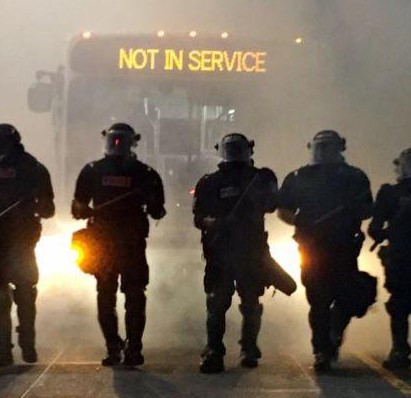
Reports of police use of excessive force appear weekly in the media and have generated outrage in many communities. Officers actions are currently judged...

Criminals are often early adopters of new technology and artificial intelligence is no different. Kevin Peters (Masters 1705/6), Chief for the National Threat Evaluation...